


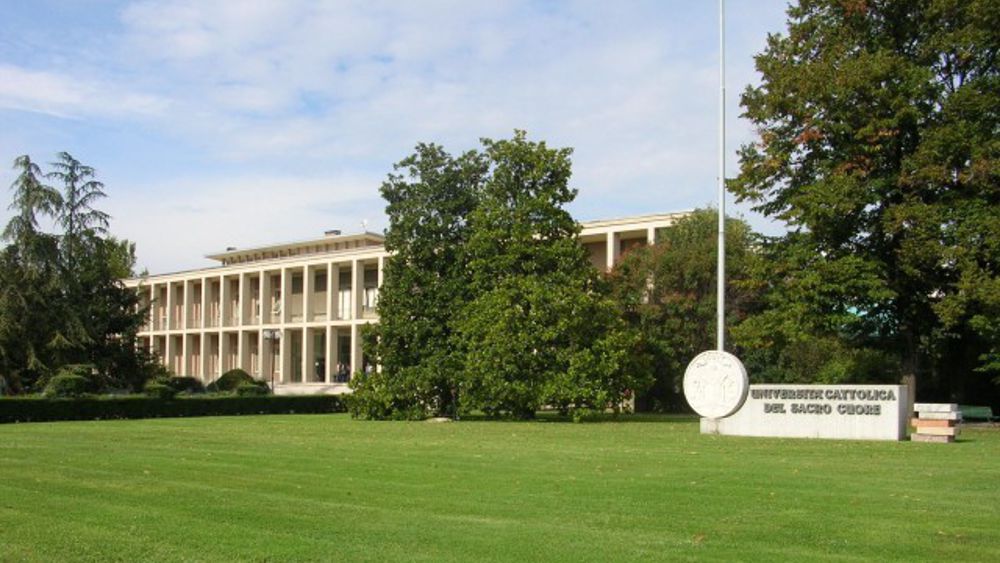
The Italian Meeting Industry confirms itself as one of the most dynamic engines of the national tourism and economic system. In 2024, the sector generated €14.8 billion in direct economic contribution, marking a growth of 26.3% compared to the previous year. This is what emerges from the new estimate prepared by ASERI - Graduate School of Economics and International Relations of the Catholic University of the Sacred Heart, which updates the data of the research conducted in 2023 for ENIT with the collaboration of Federcongressi&eventi.
«The subdivision of the Italian territory into congress clusters in ASERI shows how the economic value of the meeting industry is generated not only in the "Congress Poles", which concentrate more than 40%, but also in the tourist municipalities with a maritime, lake and spa vocation, which contribute with more than 20%, and in the Italian "industrial heart", less touristically relevant but central to the economic and productive development of the country, to which about 18% of the total value can be attributed," points out Roberto Nelli, scientific director of ASERI's Research Lab on the International Meeting Industry.
According to ASERI, in 2024, congresses and events hosted in Italy attracted 29.3 million participants, generating direct spending of €11.47 billion, up 28.5%. The figure is driven by the growth in overall presences (+12.9%) and especially those with a stay of more than one day (+16.6%).
Spending on housing has the greatest impact, accounting for 44.6% of the total (5.12 billion, +36.5% on 2023). This is followed by national and regional transport: 2.61 billion (22.8%), external catering: 1.80 billion (15.7%), purchases and other expenses: 1.38 billion (12.1%), while local transport stands at a total expenditure of 555 million (4.8%)
The average daily expenditure per participant reaches 243 euros, which becomes 301 euros for those who participate in multi-day events.
Spending on venues is also growing: for the realization of the 368 thousand events hosted in 5,590 Italian venues, direct spending reached 3.36 billion euros (+19.5%).
Catering and technology at the center: among the main items stand out indoor catering and catering which represents 57% of the total, with 1.91 billion, followed by fittings and technologies, with 699 million (20.8%) and the rental of spaces, with an expenditure of 575 million (17.1%).
The Daily Delegate Rate, i.e. the average daily expense per participant incurred by the organizers, rises to 71.19 euros (+5.9%).
"The meeting industry is confirmed as an engine of economic and social development for the country. The data reaffirm, in fact, the role of the MICE sector which not only contributes to strengthening Italy's international competitiveness, but also generates growing widespread value in the territories. It is therefore essential that institutions continue to recognize its strategic role and support its development in order to consolidate the results achieved and successfully face future challenges," said Gabriella Gentile, President of Federcongressi&eventi. Ivana Jelinic, CEO of ENIT S.p.A., points out that "the meeting industry is a fundamental sector in the tourism sector. Italy attracts many tourists who first get to know the country for meetings and conferences, and then decide to return to appreciate and visit its beauties. The MICE segment acts as a development lever for our territories, generating positive effects on the entire supply chain".
Overall, the combination of participants' spending and that of the venues brings the average daily value per individual participant to 314.25 euros, confirming the role of the Meeting Industry as one of the segments with the highest impact on the country's economy.
ASERI's analysis paints a picture of a rapidly expanding sector, capable of activating diversified supply chains — from hotels to catering, from transport to technological services — and of intercepting an increasingly international demand oriented towards longer stays and higher quality.
The increase in the propensity to spend, combined with the increase in tourist prices (+3.9% according to the NICT index), has further strengthened the performance of the sector, confirming congresses, meetings and events as decisive levers for the competitiveness of Italian destinations.